
WHAT WE DO
Keeping the water out of the mine, at the lowest cost the site can achieve.
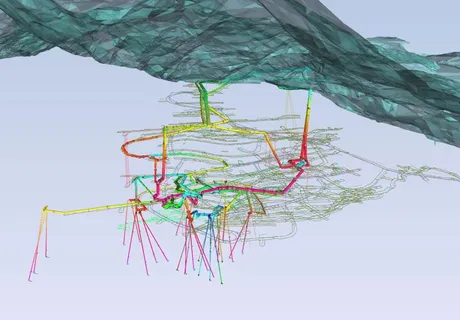
Dewatering is one of the largest power and maintenance costs in most underground mines, and one of the least examined. Systems grow one pump station at a time as the mine goes deeper, until the operation is running a chain of stations of different makes, sizes and duties that nobody designed as a whole. IMEC’s dewatering work starts from the system as it actually is, models it, and then works out the cheapest reliable way to run it for the life of the mine.
We have delivered dewatering optimisation and design to operations in Australia, Indonesia, the Philippines, Ireland, the UK and Europe, for owners including BHP, OZ Minerals, Agnico Eagle, Silver Lake Resources, Newcrest, Regis Resources, Resolute, 29Metals, New Century Resources, IGO, AngloGold Ashanti, St Barbara, Cornish Metals, OceanaGold, Newmont and Boliden.
How an optimisation study runs
- Site audit and data capture. We walk the system underground and on surface: sumps, pump stations, pipelines, valving, instrumentation, power. Where data exists we collect it; where it does not, we measure.
- As-built hydraulic model. The existing network is modelled as it is actually connected and operated, not as the original drawings show it. This is usually where the first surprises appear.
- Immediate actions. Quick wins that need no capital: valve settings, pump duty points, sump cleaning schedules, control changes.
- Scenario analysis against the life-of-mine plan. The model is run against the mine plan to find the configuration that meets future inflows and depths at the lowest whole-of-life cost, including when to add stations, when to replace pumpsets, and where a rising main pays for itself.
- Recommendations report, with costs and priorities.
- Detailed engineering of whatever the site chooses to build, from the same team that did the study.
The approach is set out in our article Rethinking Mine Dewatering: attack the source of the water rather than the symptom, build flexibility and monitoring into primary systems, and revisit the design whenever the mine plan changes, especially at mine-life extensions.
Pump stations and rising mains
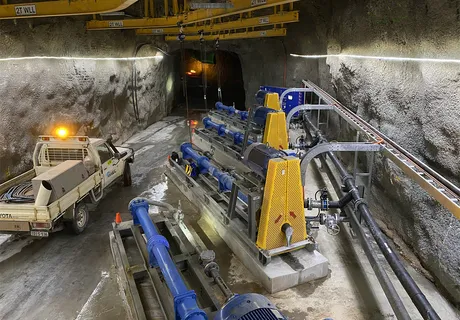
Primary pump stations are the heart of the system and the part IMEC is best known for. Recent work includes:
- A 400 L/s primary underground pumping system for a gold mine in Indonesia, lifting hot groundwater (up to 85 °C) from deep borehole pumping to surface at over 200 m total dynamic head through a purpose-installed rising main. The temperature and duty ruled out standard equipment, so the station was engineered with specialist suppliers. 400 L/s Primary Pump Station
- A life-of-mine primary dewatering system for OceanaGold’s Didipio mine in the Philippines: multiple pump stations on several levels, using filtration and settling to deliver treated water to surface at more than 500 L/s, designed with the site team for constructability and future expansion. Didipio Pump Station CPS2
- A new primary pump station at Silver Lake’s Deflector gold mine: hydraulic modelling of the underground network, pump, pipe, valve and sump sizing, concrete plinths and slab, suction and discharge piping, the rising main to surface and monorail cranes, with IMEC managing construction on site. Deflector Pump Station
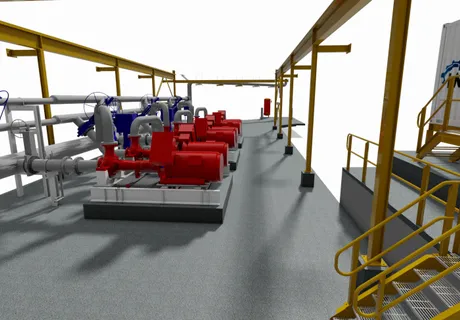
A typical IMEC station design carries a full P&ID, a 3D model placed in real-world survey data, monorails for pump handling, and valve and instrument access checked at 1:1 scale in virtual reality before drawings are approved for construction. The VR Pump Station Design article shows a four-pump station with 80 m of monorails and 71 valves being reviewed this way.
Sumps, settling and solids
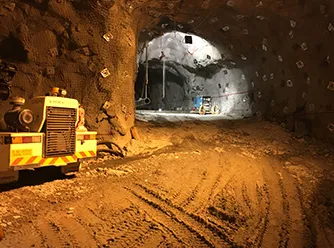
Sumps do as much work as the pumps: they settle solids out so that clean water is pumped. Undersized or uncleaned sumps push solids into the pumps, pipes and valves, and dewatering performance, maintenance costs and power consumption all suffer. Sump sizing, bogger access and cleaning schedules are part of every IMEC dewatering design, for the reasons set out in Sumps: are they the hidden cost to your operation?. Where the water carries fines or slurry, we design the settling and filtration stages that let the pumps run on clean water.
What you receive
- Audit findings and an as-built hydraulic model you keep
- Optimisation report with prioritised, costed recommendations
- Pump station and pipeline design: P&IDs, general arrangements, 3D model, equipment specifications for pumps, pipes, valves and instruments, civil and structural design of plinths, slabs, sumps and monorails
- HAZOP and safety-in-design reviews, and construction methodology
- Procurement support, construction management and commissioning support on request
If your dewatering system has grown rather than been designed, talk to us about an audit.