
WHAT WE DO
Engineering design for the infrastructure that keeps a mine running: mechanical, structural and civil, from one team.
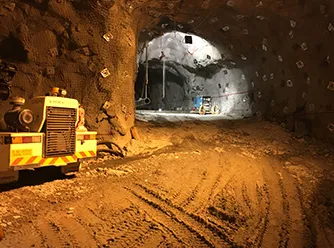
IMEC designs the infrastructure that keeps a mine running: the pump stations, fuel bays, ventilation, power and services that sit around the orebody rather than in it. Our team of chartered engineers and design drafters works across mechanical, structural and civil disciplines, so a single design covers the equipment, the steel and the concrete together, from concept through detailed design to shop drawings and construction support.
We work for owners and contractors on surface and underground mines in Australia, Europe, Asia and Africa, and the same engineers who design a facility can manage its construction on site.
Underground infrastructure
- Dewatering and pump stations. Primary and secondary stations, sumps, settling and filtration, rising mains. See Mine Dewatering Design and Pump Station Design. Recent stations range from a 400 L/s station lifting 85 °C water in Indonesia to a life-of-mine multi-level system in the Philippines.
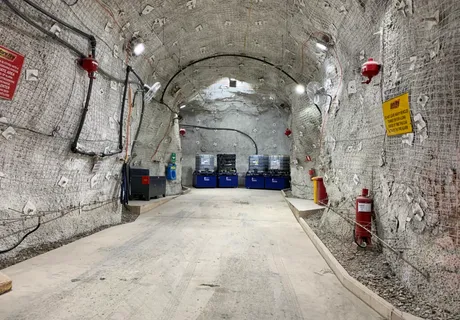
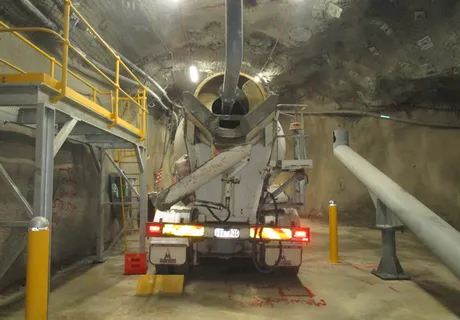
- Fuel and lubricant facilities. Underground refuelling and service bays with bunded concrete aprons, oil-water separators, compressed-air-driven equipment to minimise ignition sources, and fire suppression. Examples: the 1700 Fuel Bay at one of Australia’s deepest gold mines, a dual-level refuelling bay at Newcrest’s Cadia with fire deluge, and a surface-to-underground refuelling system for MATSA in Spain that removes bulk fuel haulage from the mine altogether.
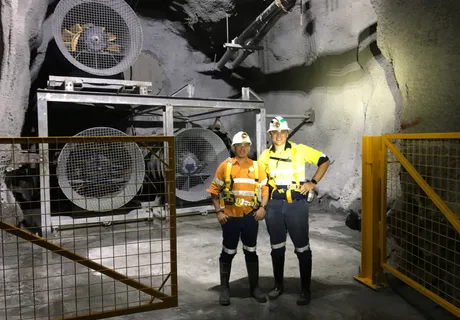
- Ventilation. Shaft stripping and lining, fan support structures, bulkheads and access doors, exhaust evasés. At an Indonesian gold mine IMEC engineered the enlargement of a 1.2 m raisebored escape shaft to 4.7 m and its fit-out as a second exhaust, including the equipment submission to the Mining Inspectorate. Mine Ventilation Upgrade
- Paste, backfill and slurry. Surface-to-underground delivery lines, arrestor kettles, hoppers and platforms. The Fosterville slickline runs 1,000 m from a surface depository to underground.
- Ladderways, conveyances and shaft works, including decommissioning sequences and shaft caps such as the Corsham shaft capping in the UK.
Surface infrastructure
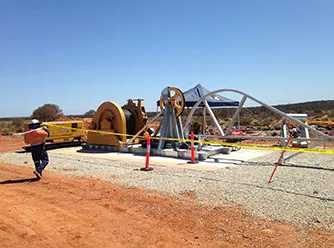
- Power and HV cable installation. Engineering, cable clamps, installation methodology and site support for cable lowering through boreholes: 1,372 m of HV cable suspended in a 250 mm borehole, one of the deepest such installs in Australia, and a single-point-suspension cable in West Africa supported remotely during the pandemic.
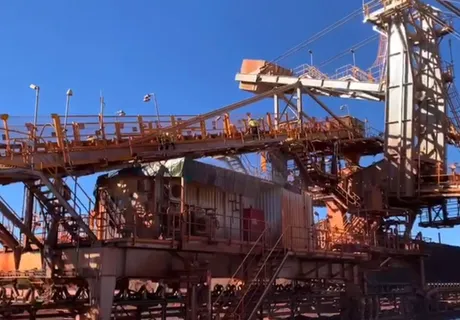
- Materials handling. Conveyor spill shedders and discharge chutes (Rio Tinto Stacker 2), tailings launders and bypasses designed to European standards (Anagold Çöpler).
- Non-process infrastructure. Site layouts, workshops, offices, washdown bays, laydown yards, service corridors, traffic and lighting plans: whole-site NPI packages for Cassini, Bardoc and Kathleen Valley.
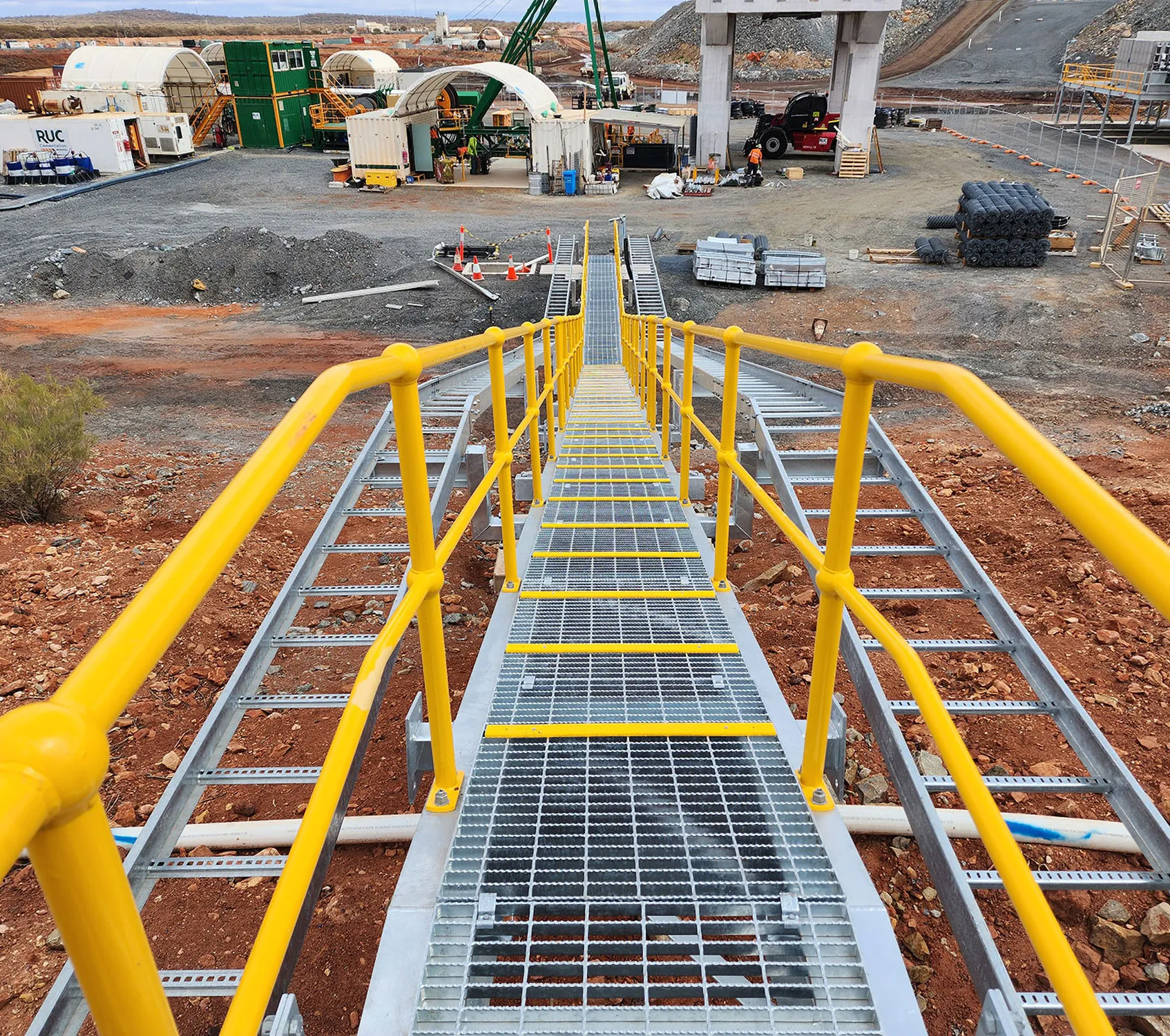
- Structures. Fan support structures, headframes, bridges and platforms, including a pedestrian bridge for the Shire of Murray.
Mine services audits
IMEC audits raw water supply, dewatering and compressed air systems as well as designing them. We model the system as it is, find the bottlenecks and the issues, and develop a rolling plan of improvements so upgrades happen in the right order and on the mine’s schedule rather than after a failure. The audit feeds straight into design when the plan calls for it, and into the dewatering work described on Mine Dewatering Design.
How we work
- Multidiscipline by default. Mechanical, structural and civil design from one team, so equipment, steel and concrete are coordinated rather than reconciled later.
- 3D models and VR design reviews. Facilities are modelled in 3D in real-world survey data and walked at full scale in virtual reality with the client before drawings are approved for construction. How it works.
- Safety in design. HAZOP and safety-in-design reviews are part of every package; fire, spill containment and ignition control are designed in, not added.
- Standards and approvals. Designs are prepared to the standards that apply where the mine is, with DMIRS submissions in Western Australia, European standards for European work and Mining Inspectorate submissions where required. Work is delivered under IMEC’s ISO 9001 certified quality management system.
- Construction support. Shop drawings, methodology, risk assessments, and engineers on site when the job needs them.
What you receive
Concept and detailed design; general arrangements and 3D models; equipment specifications; structural and civil calculations and drawings; shop detail drawings; HAZOP and safety-in-design records; construction methodologies and installation sequences; and as-built documentation on completion.
Tell us what you need built: contact IMEC.